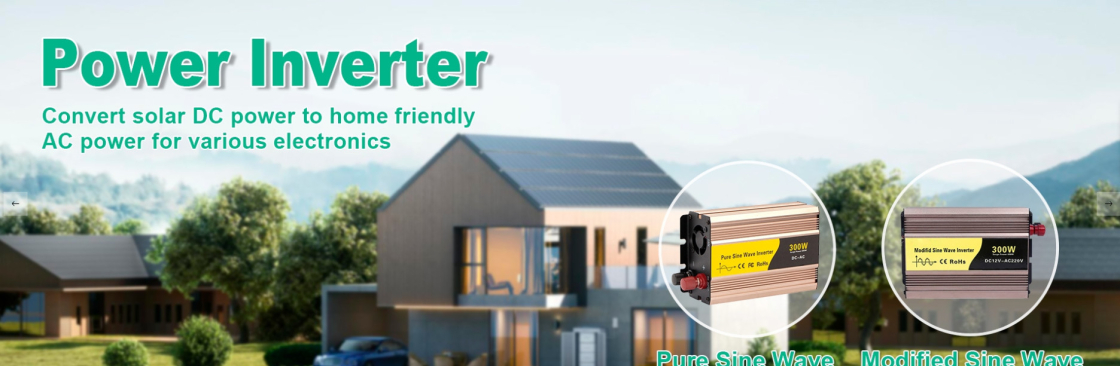
Micro inverters are a key component in modern solar energy systems, revolutionizing the way solar power is harnessed and utilized. Unlike traditional string inverters, which convert the direct current (DC) power generated by a solar panel array into alternating current (AC) power for use in homes and businesses, micro inverters are installed on each individual solar panel. This decentralized approach offers several significant advantages.
Firstly, micro inverters optimize the performance of each panel. As noted on Inverter.com, solar panels can be affected by shading, dust, or other factors that reduce their efficiency. With a string inverter, the entire array’s performance can be dragged down by the weakest link. However, micro inverters allow each panel to operate independently, maximizing the overall energy output. For example, if one panel is partially shaded, only that specific panel’s output is affected, not the entire system.
Secondly, micro inverters enhance safety. Traditional inverters require high-voltage DC wiring, which can be dangerous during installation and maintenance. Micro inverters convert the DC power to AC power right at the panel, reducing the risk associated with high-voltage DC lines. This makes the system safer for installers and homeowners alike.
Moreover, micro inverters provide detailed monitoring capabilities. Each inverter can transmit data about its performance, allowing system owners to track the output of each panel in real-time. This level of granularity is invaluable for identifying and addressing issues promptly. According to Inverter.com, this feature not only helps in maintaining peak performance but also aids in predictive maintenance, ensuring the longevity of the solar system.
In terms of cost, while micro inverters may have a higher upfront price compared to string inverters, their benefits often outweigh the initial investment. The improved efficiency, enhanced safety, and detailed monitoring capabilities can lead to significant savings over the life of the solar system. Additionally, advancements in technology continue to drive down the cost of micro inverters, making them an increasingly attractive option for both residential and commercial installations.
In summary, micro inverters represent a significant leap forward in solar technology. They offer enhanced performance, improved safety, and detailed monitoring, making them a valuable addition to any solar energy system. As the demand for renewable energy grows, micro inverters are poised to play a crucial role in maximizing the efficiency and reliability of solar power installations.
 English
 Arabic
 French
 Spanish
 Portuguese
 Deutsch
 Turkish
 Dutch
Dutch
 Italiano
 Russian
 Romaian
 Portuguese (Brazil)
 Greek
Greek