Oru Social Oru Social
    #tructiepbongda #xoilactv #xoilac #xoilac_tv #newlaunchprojects
    고급 검색
  • 로그인
  • 등록하다

  • 야간 모드
  • © {날짜} {사이트 이름}
    에 대한 • 예배 규칙서 • 문의하기 • 개발자 • 개인 정보 정책 • 이용약관 • Fund Support

    고르다 언어

  • Arabic
  • Bengali
  • Chinese
  • Croatian
  • Danish
  • Dutch
  • English
  • Filipino
  • French
  • German
  • Hebrew
  • Hindi
  • Indonesian
  • Italian
  • Japanese
  • Korean
  • Persian
  • Portuguese
  • Russian
  • Spanish
  • Swedish
  • Turkish
  • Urdu
  • Vietnamese

보다

보다 릴 영화 산업

이벤트

이벤트 찾아보기 내 이벤트

블로그

기사 찾아보기

시장

신규 품목

페이지

내 페이지 좋아요를 누른 페이지

더

법정 탐구하다 인기 글 계략 채용 정보 제안 자금
릴 보다 이벤트 시장 블로그 내 페이지 모두 보기
corpzo India
User Image
드래그하여 덮개 위치 변경
corpzo India

corpzo India

@corpzo11
         
  • 타임라인
  • 여러 떼
  • 좋아요
  • 수행원 3
  • 팔로워 1
  • 사진
  • 비디오
  • 릴
  • 제품
With the rapid growth of digital transactions in India, Payment Aggregators (PAs) have become a vital part of the online payments ecosystem. Businesses that enable merchants to accept digital payments through cards, UPI, wallets, or net banking are required to obtain a Payment Aggregator License from the Reserve Bank of India (RBI). Understanding this licensing framework is essential for fintech startups, e-commerce platforms, and payment service providers.

What Is a Payment Aggregator?

A Payment Aggregator is an entity that facilitates e-commerce and online merchants to accept various payment instruments without requiring the merchants to set up their own payment infrastructure. Payment Aggregators pool transactions and settle funds to merchants after deducting applicable fees.

As per RBI guidelines, Payment Aggregators are regulated to ensure customer protection, data security, and financial stability.

Eligibility Criteria for Payment Aggregator License

To apply for a Payment Aggregator license in India, the applicant must meet the following requirements:

The entity must be incorporated in India as a company

Minimum net worth of ₹15 crore at the time of application

Net worth must increase to ₹25 crore within three years

Directors and promoters must meet fit and proper criteria

Robust IT systems, escrow arrangements, and grievance redressal mechanisms

Application Process for PA License

The Payment Aggregator license application is submitted to the RBI along with detailed documentation, including business plans, financial statements, system audit reports, and compliance policies. RBI conducts due diligence, system evaluation, and background verification before granting approval.

Compliance and Ongoing Obligations

Licensed Payment Aggregators must comply with RBI regulations such as:

Maintenance of escrow accounts

Adherence to KYC and AML norms

Data localization requirements

Regular audits and regulatory reporting

Non-compliance can result in penalties or license cancellation.

How Corpzo Helps with Payment Aggregator Licensing

At Corpzo, we assist fintech companies with end-to-end Payment Aggregator license services, including eligibility assessment, documentation preparation, RBI application filing, compliance setup, and post-approval support. Our structured approach helps reduce delays and ensures regulatory compliance.

? Website: www.corpzo.com


? Contact: +91 9999 139 391

FAQs – Payment Aggregator License
1. Is a Payment Aggregator license mandatory in India?

Yes, RBI approval is mandatory for entities acting as Payment Aggregators.

2. What is the minimum capital required?

A net worth of ₹15 crore at the time of application.

3. How long does RBI take to issue the PA license?

Typically 6 to 9 months, depending on scrutiny and compliance readiness.

4. Can foreign investment be made in Payment Aggregators?

Yes, subject to RBI and FEMA guidelines.

5. How does Corpzo support PA license applicants?

Corpzo handles documentation, RBI liaison, compliance setup, and audit coordination.
3 수행원
1 팔로워
6 게시물
https://www.corpzo.com/
남성
23 살이에요
에서 작업 Corpzo
에서 공부 Noida, Uttar Pradesh, India
거주 India
에 위치한 G-10 Sector 63 Road, G-10, Noida
image
image
image
image
image
image
corpzo India
corpzo India
2 디

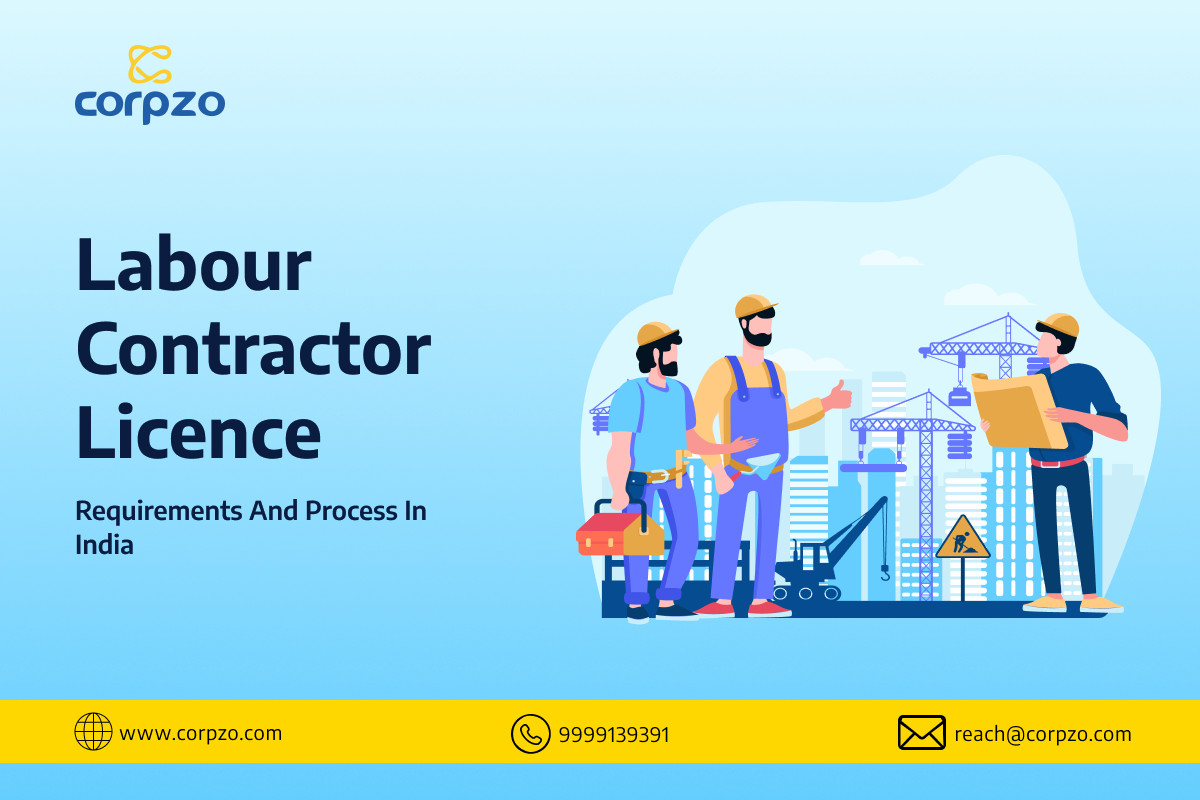
Contract Labour License - The purpose of the 1970 Contract Labour Regulation and Abolition Act is to prevent the exploitation of contract labour, as well as to introduce better working conditions. A worker is considered to be employed as a Contract Labour when recruited by or through a Contractor in connection with an establishment’s work. Indirect employees are considered as contract workmen. Contract Labour varies in terms of the employment relationship with the establishment and a wage payment method from Direct Labour. https://www.corpzo.com/contract-labour-license
image
처럼
논평
공유하다
corpzo India
corpzo India  프로필 사진을 바꿨다
2 디

image
처럼
논평
공유하다
corpzo India
corpzo India  프로필 표지를 변경했습니다.
2 디

image
처럼
논평
공유하다
corpzo India
corpzo India  프로필 표지를 변경했습니다.
2 디

image
처럼
논평
공유하다
corpzo India
corpzo India  프로필 사진을 바꿨다
2 디

image
처럼
논평
공유하다
더 많은 게시물 로드

친구 끊기

정말 친구를 끊으시겠습니까?

이 사용자 신고

프로필 사진 향상

사용 가능한 잔액

0

이미지

제안 수정

계층 추가


이미지 선택
계층 삭제
이 계층을 삭제하시겠습니까?

리뷰

콘텐츠와 게시물을 판매하려면 몇 가지 패키지를 만드는 것부터 시작하세요. 수익화

지갑으로 지불

결제 알림

항목을 구매하려고 합니다. 계속하시겠습니까?

환불 요청